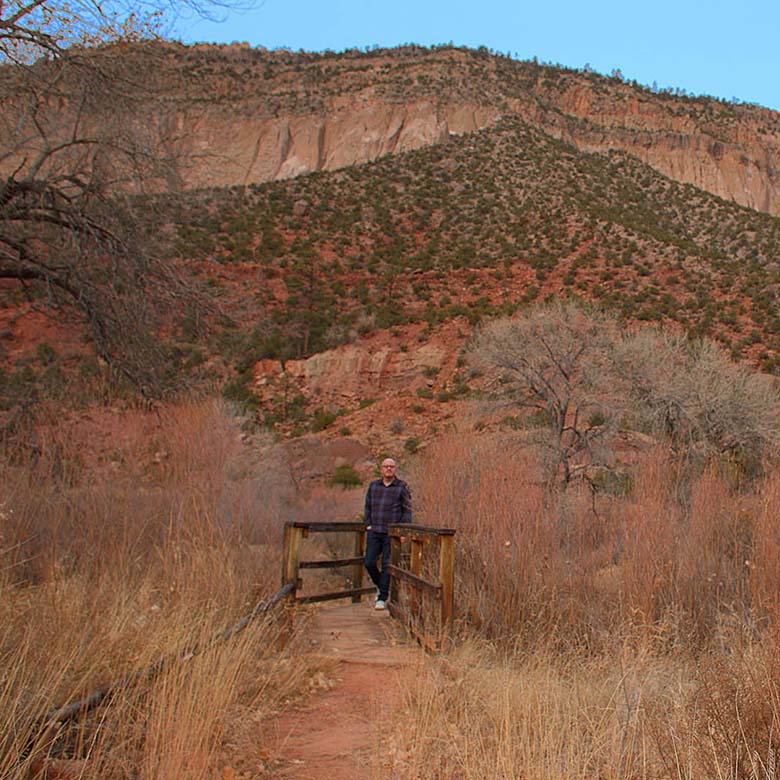


Waymarking and the Art of Waymaking
Long before GPS and step-counting apps, travelers relied on waymarks to guide them along unknown roads —simple stones, painted arrows, or carved symbols marked their path. On Spain’s Camino de Santiago, the scallop shell and yellow arrow appear again and again, marking the path for pilgrims from all over the world. They do more than direct—they reassure: Yes, you are still on the way.
In life, as on the Camino, waymarking matters. Clear signs—whether in the form of trusted mentors, sacred texts, or community rituals—can steady us when we’re tired, lost, or questioning our direction. A waymark doesn’t force the journey, it simply reminds us that others have gone before, and the road is still there.
But there is also the art of waymaking. Waymaking is more than following arrows or shells, it’s the creative, sometimes risky act of shaping the path itself. It means choosing to respond with kindness when bitterness would be easier, forging new traditions when the old ones no longer serve, or carving out spaces for rest and connection in a world that rushes past. Waymaking is both practical and poetic—it’s the choice to walk with intention, to set a course even when the map is incomplete.
Spain’s Camino de Santiago has been a dream of mine for years. I imagine the sound of boots crunching on gravel at dawn, the mingled languages of fellow pilgrims, the relief of spotting a yellow arrow at a crossroads or a shell on a post. I imagine the rhythm of walking—step after step—loosening the knots of my own worries, revealing truths that only the quiet and a gentle pace can tell. On that imagined journey, I see myself paying attention not just to the signs others have placed for me, but also to the people walking beside me, noticing where my presence could be a waymark for them.
Waymarking and waymaking are companions. We need the stability of clear guidance and the courage of creative navigation. Some days we follow and some days we lead. And sometimes—most beautifully—we do both at once, shaping the road even as we let it shape us.
Until my feet touch the Camino stones, I practice here: looking for the arrows in my daily life, leaving my own marks for those who come after, and remembering that every step—whether on ancient pilgrimage trails or in the streets of my own city—can be a sacred act of waymaking.
Related Posts
Mother’s Day: A Day of Remembrance
Later today – if all goes well - I will emerge from my weekly Sunday nap and...
The Power of Connection
Every time I return from a Chrysalis retreat, I am left with a sense of awe by...

Ash Wednesday: The Courage to Look Within
Today’s reflection arrives at a meaningful threshold. Today marks the 100th...
Friendships and the Sunrise: Light for Today’s World
On Easter morning, I had the great pleasure of standing and serving communion...