
FindiFinding Ourselves in the Wildernessng Ourselves in the Wilderness
Reflections on Matthew 4:1–11
Lent begins, not with certainty, but with wilderness.
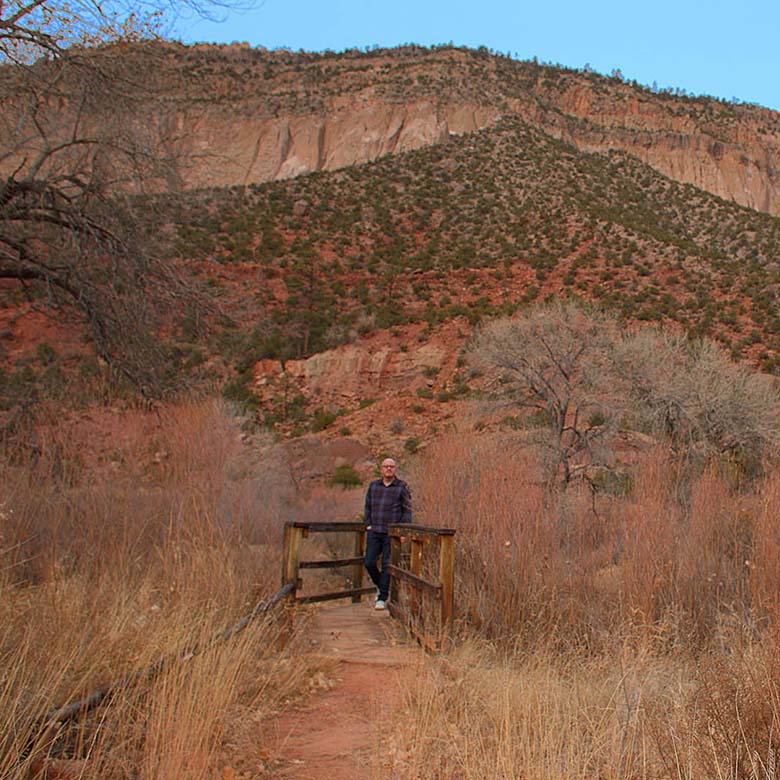
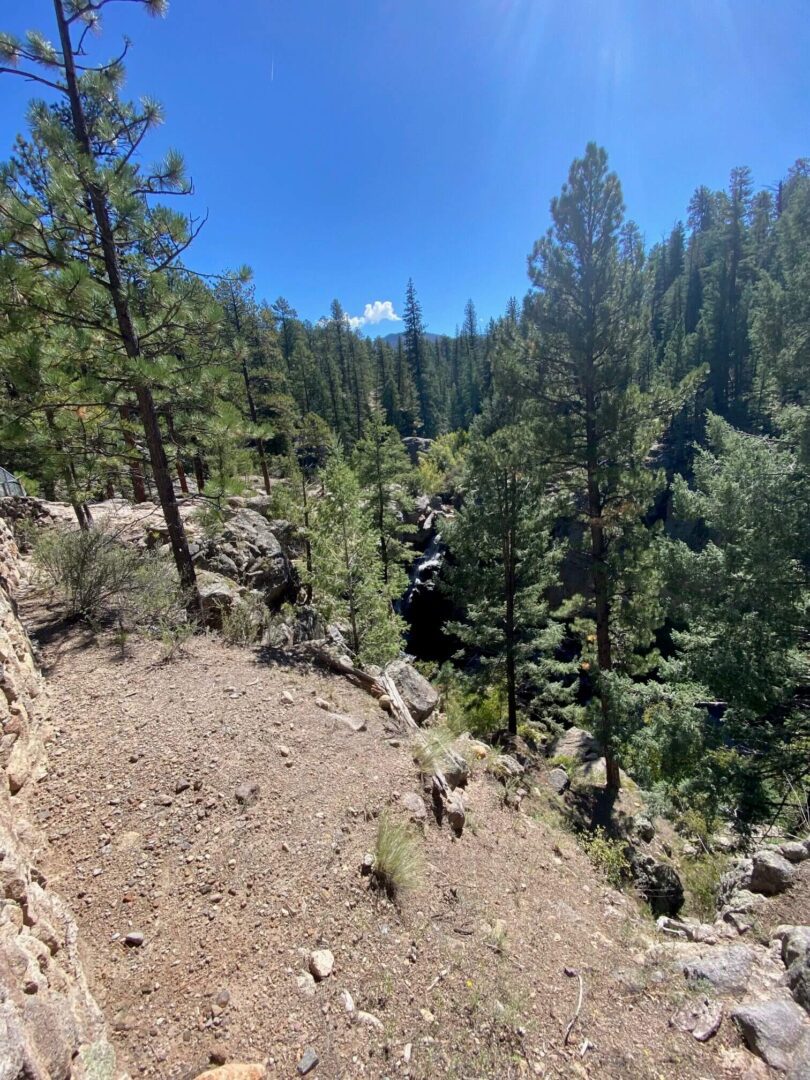
Before Jesus teaches, heals, or gathers disciples, Matthew tells us that he is “led up by the Spirit into the wilderness to be tempted.” This detail matters. The wilderness is not an accident or a punishment. It is not a detour from God’s purposes. It is the place the Spirit leads him.
Which raises an important question for us during Lent: What is the wilderness, anyway?
We tend to imagine the wilderness as a barren, empty place—a season we rush through or try to avoid. Yet in Scripture, the wilderness is rarely empty. It is full of testing, clarity, introspection, vulnerability, and encounter. Israel wandered there for forty years. Elijah fled there in despair. John the Baptist preached there. And now Jesus stands there, hungry, alone, and face-to-face with temptation.
The wilderness is where illusions fall away.
In Matthew 4, Jesus is tempted not with obviously evil things, but with shortcuts—easy power, quick fixes, visible success. Turn stones to bread. Prove yourself. Take control. Each temptation asks the same underlying question: Will you trust God, or will you grasp for certainty and control on your own terms?
The wilderness exposes what we rely on when comfort, approval, and certainty are stripped away.
That is why Lent so often feels uncomfortable. We give things up not because they are bad, but because they reveal how quickly we use them to numb, distract, or define ourselves. Silence can feel loud. Fasting can feel vulnerable. Slowing down can surface truths we’ve been avoiding.
The wilderness does not create our struggles—it reveals them. And yet, the wilderness is also where identity is clarified.
Jesus enters the wilderness immediately after his baptism, after hearing the words, “This is my beloved Son.” The temptations that follow all try to undermine that identity: If you are the Son of God… Jesus does not argue. He does not prove himself. He rests in who he already is.
Perhaps that is the invitation of Lent—not to become someone new, but to remember who we are beneath the noise.
For many of us, the wilderness shows up as uncertainty, grief, transition, or exhaustion. It may feel lonely or disorienting. But Scripture reminds us that wilderness seasons are not wasted seasons – They are formative ones.
Lent invites us to stop resisting the wilderness and instead ask: What is being revealed here? What is being stripped away? What truth is waiting to be named?
We do not enter the wilderness alone. The same Spirit who led Jesus there also sustained him. And on the other side of the wilderness, Jesus emerges not diminished, but grounded—clear in purpose, rooted in truth, ready for what comes next.
This Lent, may we trust that the wilderness is not where we are lost—but where we are found.
Blessings to you on this journey,
Kelly
Related Posts

Palm Sunday: The Truth We Don’t Want to Hold
The past few years have disrupted our sense of self and what it means to live in...

Life Is Not Always What We Planned…
Life is not always what we plan – this is a mantra and life wisdom which has...

It’s a Wrap! Year-End Review
As we close out another impactful year, it’s incredible to see how far Chrysalis...

Shoshin: You Cannot Do a New Thing While Constantly Defending the Old Thing
I recently learned of a Zen Buddhism concept known as shoshin: the beginner’s...